

The ACL Crisis in Girls’ Sports Is Getting Worse — And We Already Know How to Fix It
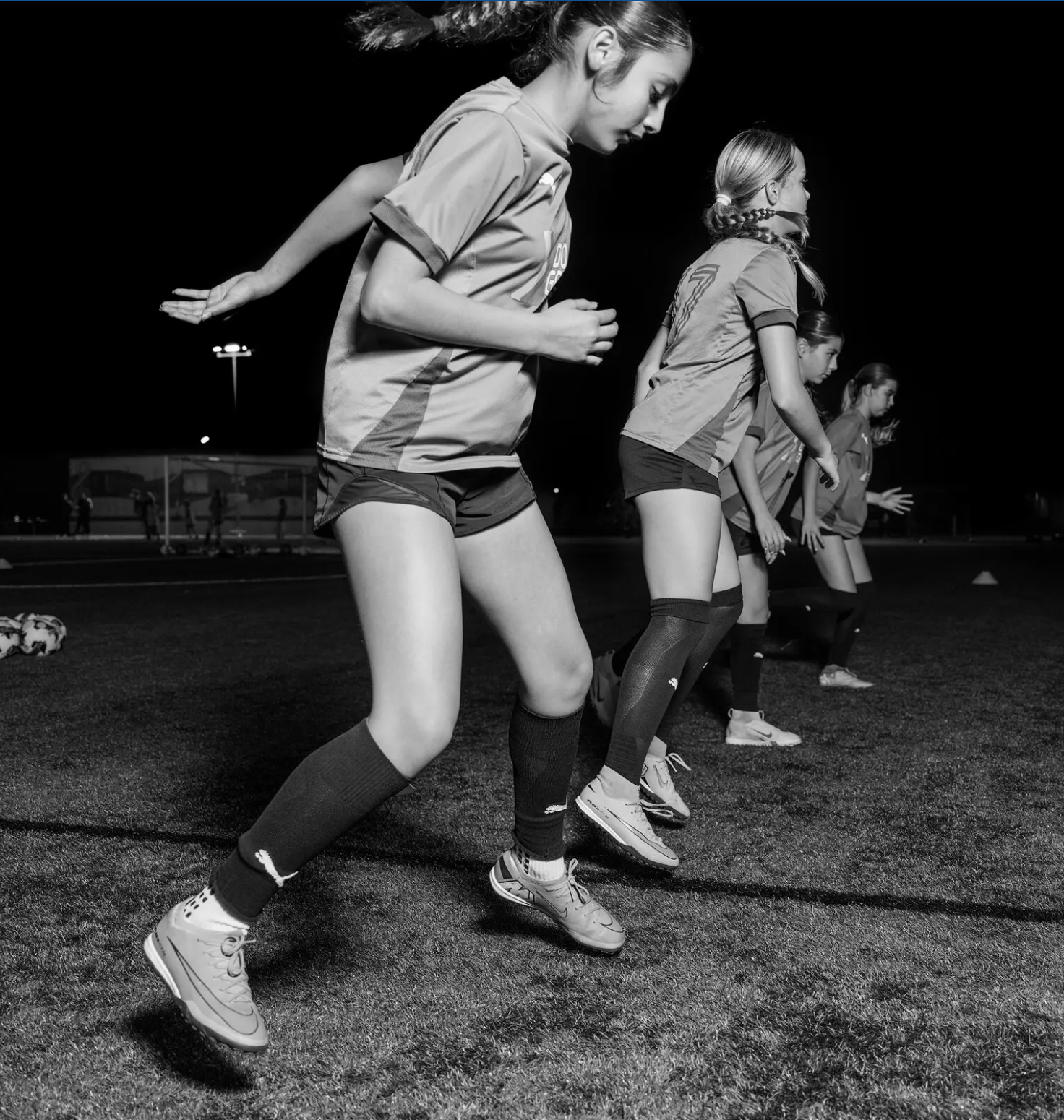
The New York Times Magazine just published an important piece on ACL tears in teen girls—and the numbers should alarm every parent, coach, and athlete.
ACL injury rates among high school girls grew more than 32% between 2007 and 2022. Female athletes are up to eight times more likely than males to tear their ACL, usually in noncontact situations—a bad landing, a sudden cut, a plant-and-pivot gone wrong. Surgery, nine to twelve months of rehab, thousands in medical bills, and a sixfold increase in future injury risk follow.
The frustrating part? We’ve had the science to reduce these injuries for over 25 years.
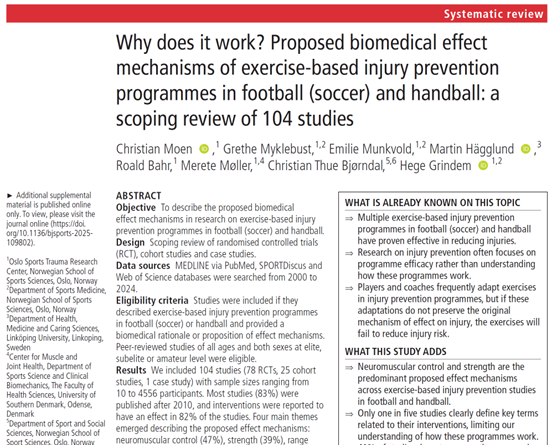
Neuromuscular training—structured exercises targeting strength, landing mechanics, and movement quality—has been shown repeatedly to lower ACL injury risk. But most youth coaches don’t know these programs exist or aren’t trained to deliver them. Athletes featured in the story couldn’t recall ever receiving prevention training.
That implementation gap is exactly why we built our ACL Injury Prevention Program—an 8-week, evidence-based program designed to put professional-grade prevention into the hands of every athlete, at a price that doesn’t create another barrier. It’s built on the same research the NYT article highlights, packaged into a structured format you can actually follow.
Because the best ACL injury is the one that never happens.
0 Comments